
By Angela Sterling, Founder of Lingotot and former languages teacher
Is your child too young to learn French or Spanish? Or perhaps they're already at primary school and you're worried you've missed the ideal age to start?
As a former languages teacher, mum of two and founder of Lingotot, I've heard these questions from parents countless times.
The good news is that it's never too early or too late to start learning another language. Babies, toddlers, primary school children and teenagers can all benefit, although the way they learn changes as they grow.
Can babies really learn another language?
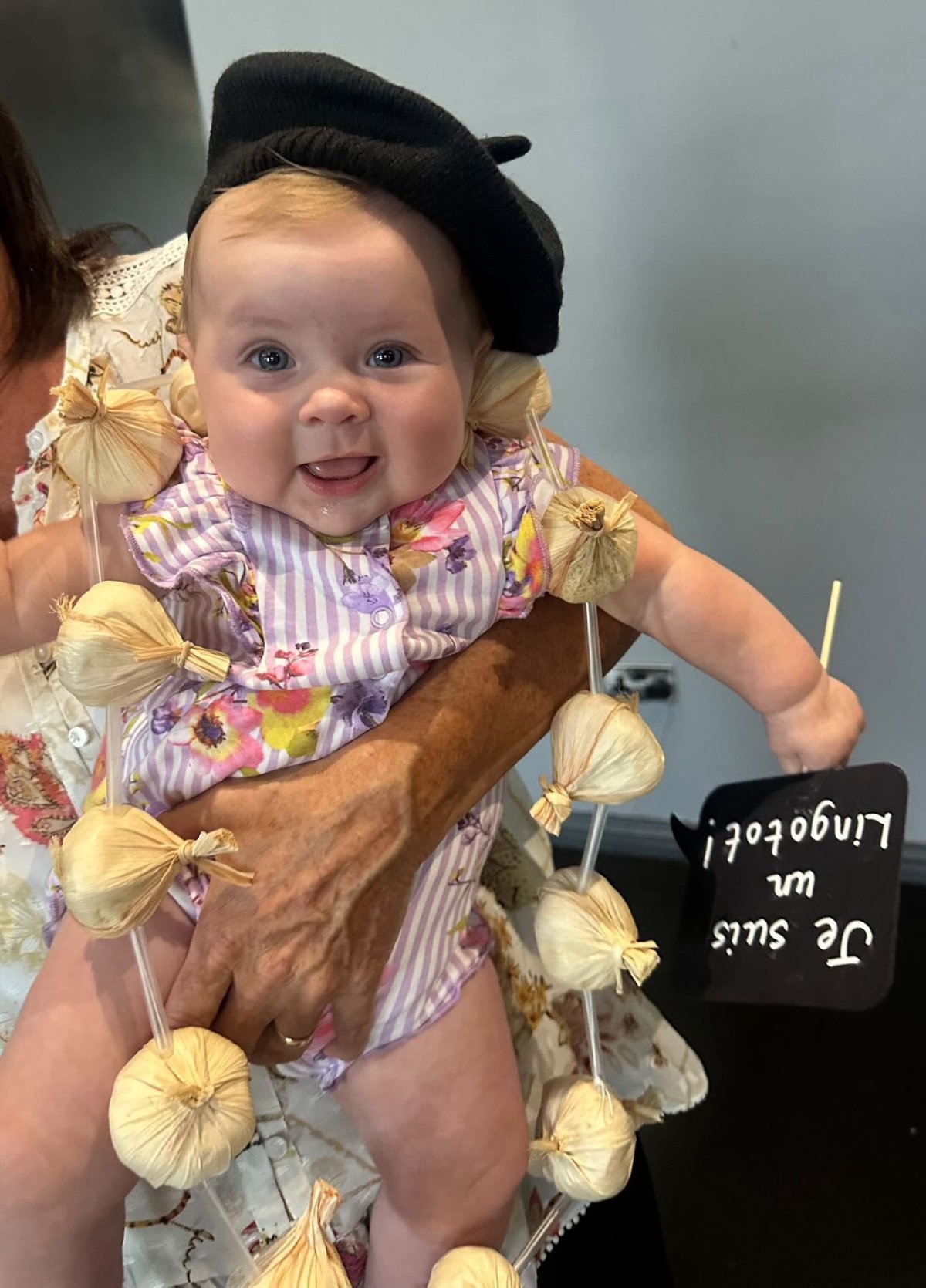
Absolutely! Babies are already busy learning language from the moment they're born.
Long before they say their first words, they're listening to the voices around them, becoming familiar with sounds, rhythms and patterns. Research into infant language development shows that babies are initially sensitive to a wide range of speech sounds. During their first year, their perception gradually becomes more specialised towards the languages they hear regularly. This makes babyhood a lovely opportunity to introduce the sounds of another language.
You don't need flashcards, formal lessons or a complicated programme. Singing a French nursery rhyme, sharing a picture book or saying a few familiar words during everyday routines can all help your baby become familiar with another language. And there's no need to expect them to start speaking French immediately! At this age, listening, interaction and enjoyment are what matter.
Is toddlerhood a good time to start learning French or Spanish?
Toddlerhood is a wonderful time to introduce another language because young children learn so much through play. Think about how toddlers learn English. They listen, copy, repeat, experiment and gradually begin using words and phrases themselves.
We can introduce another language in much the same way. At Lingotot, we use songs, stories, games, movement and imaginative play to make languages a natural and enjoyable part of children's experiences. A toddler might count building blocks in Spanish, join in with the actions to a French song or greet a favourite puppet in another language.
They're not sitting at a desk memorising vocabulary. They're having fun, interacting with other people and discovering that languages are something they can use.
What about preschool children?
Preschool children are naturally curious about the world around them. They often love repetition, imaginative play and showing adults what they've discovered. This makes the preschool years another excellent opportunity for language learning.
Simple activities work particularly well:
- Counting toys, steps or fingers in another language.
- Singing songs with actions.
- Reading picture books together.
- Playing shops, cafés or pretend picnics.
- Using familiar greetings and everyday expressions.
There's no need to turn these activities into formal lessons. In fact, keeping things playful and interactive is one of the best ways to encourage children to enjoy languages.
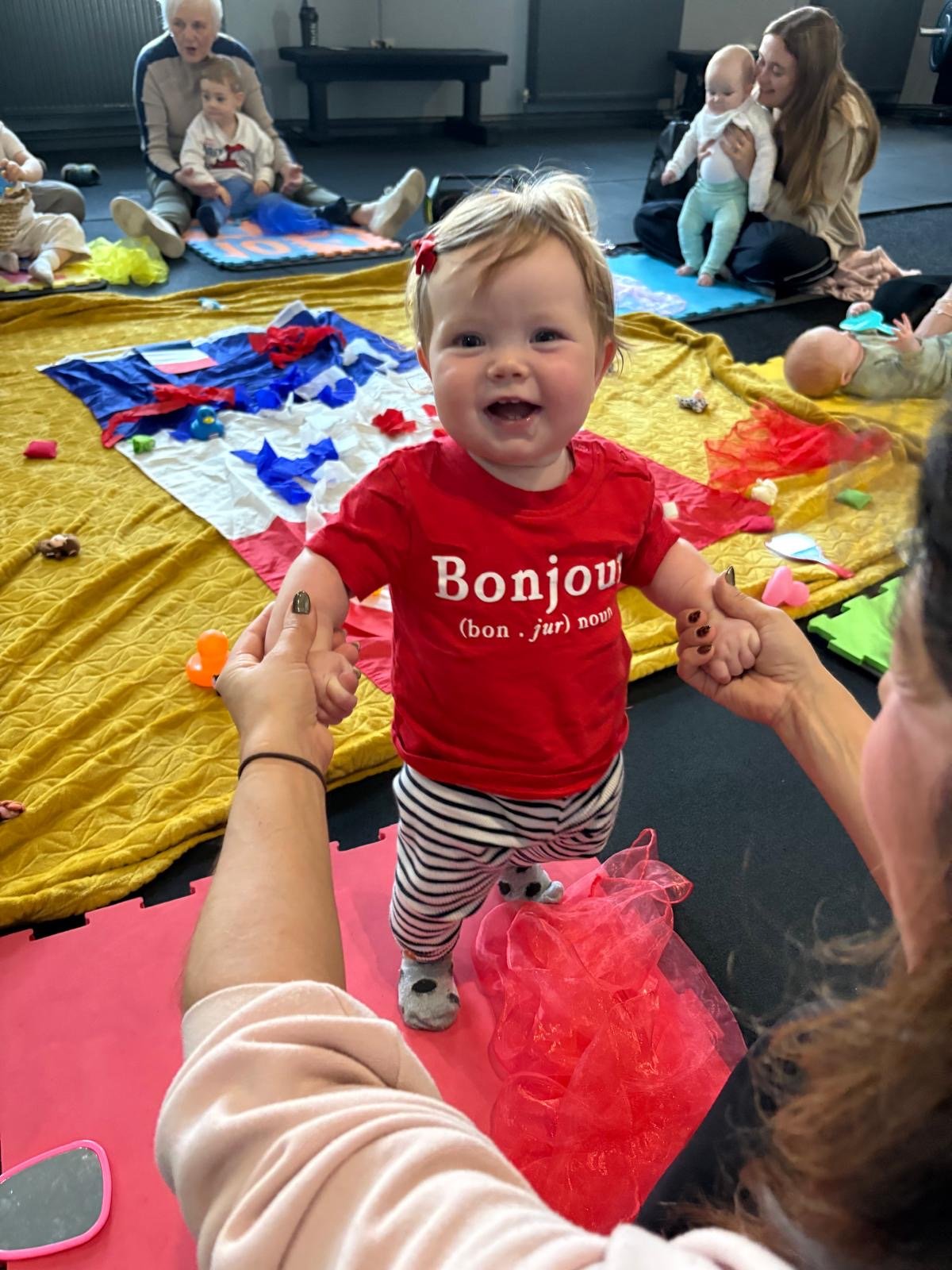
Have we missed the boat if my child is already at primary school?
Not at all!
Primary school children bring different strengths to language learning. They're often enthusiastic about other countries and cultures, increasingly confident in expressing themselves and beginning to develop reading and writing skills.
As they get older, they can also use their growing knowledge of English to understand how another language works. They might enjoy reading simple French stories, writing short Spanish sentences or learning how to ask and answer questions. Starting at primary school can be hugely rewarding, particularly when children have opportunities to hear and use the language regularly.
Is it harder to learn a language as a teenager or adult?
Learning a language at an older age can feel different, but that doesn't mean it's too late. Older learners can draw on more developed study skills, existing knowledge and personal motivation. A teenager might learn a great deal of vocabulary quickly, while an adult may be especially motivated because they want to travel, work abroad or communicate with friends and family.
Younger children have some advantages in developing familiarity with unfamiliar speech sounds, particularly when they receive regular, meaningful exposure. But there isn't a birthday after which learning another language suddenly becomes impossible.
Do parents need to speak the language themselves?
This is one of my favourite questions! Although I was already a qualified French teacher when I had my first daughter, I was nervous about speaking French to my baby. I wasn't a native speaker and worried about not providing the perfect language model.
That experience helped shape Lingotot.
I realised that parents don't have to be fluent to encourage their children to enjoy another language. They can learn alongside them, share songs and stories, and find opportunities to hear the language spoken by others. Of course, a few French words at home won't automatically make a child bilingual. Developing fluency takes much more sustained exposure and interaction.
But introducing another language doesn't have to mean aiming for complete bilingualism. Helping a child become curious, confident and enthusiastic about languages is a valuable beginning.
In our classes, we give parents tips and resources on how to continue their language learning journey at home.
So, what is the best age to start?
If you have the opportunity to introduce another language while your child is a baby or toddler, I'd encourage you to take it.
Early childhood offers wonderful opportunities to become familiar with different language sounds and to associate language learning with songs, stories, play and positive experiences. But if your child is three, seven or twelve, please don't worry that you've left it too late.
The best time to start is when you can make language learning a positive, enjoyable and regular part of your child's life.
At Lingotot, we've been introducing children to languages through songs, stories, games and play since 2010. Our friendly, interactive classes help children discover languages while having fun, with opportunities for parents to learn alongside their little ones too.
Ready to introduce your child to another language?
Discover Lingotot classes near you
Angela Sterling founded Lingotot in 2010 after a career teaching modern foreign languages. Her approach to early language learning draws on her teaching experience, her research into bilingual education and her experiences as a mother of two.